Home Selling Guide

All You Need to Know

Your Guide to Selling Your Home

GETTING STARTED

One of the biggest listing mistakes people make is not adequately preparing for their home sale. That’s why we’re here to guide you through the process. This guide is meant to direct you through the pre-listing process by educating and empowering you to make the best decisions for your home sale. Below you’ll find all aspects of preparing your home for the market, including tips on staging, packing, vendor resources, and timeline management. We’ve also provided a number of quick links to helpful tools and resources to help you prepare. We’re here to reduce any uncertainty or stress you’re having about the process and are always a phone call or email away to answer your questions. Happy Listing!

OUR SUCCESS

7 %

The average amount our homes are sold above asking price.

4

The typical number of days it takes for our properties to get under contract.

1,000+

Transactions we’ve completed since we were established in 2003.

The Selling Process Assess your home's equity and identify any nonnegotiables like your timeframe, home improvement budget, and minimum sales price. 01 02 03 DETERMINING YOUR GOALS PREPARING YOUR HOME HITTING THE MARKET We’ll guide you through the process to identify the most cost-effective home improvements and enlist the help of reputable contractors to complete the work. We'll implement your custom tailored marketing and pricing strategy to ensure your home is seen by all potential buyers. The Selling Process Once your property hits the market, we'll schedule showings for potential buyers to tour your home. You've accepted an offer! An escrow account will be setup with your title insurance company and typically your buyer will have 3 days to deposit their earnest money. 04 05 06 SHOWING WITH BUYERS RECIEVE & COMPARE OFFERS PENDING SALE As offers come in, we'll keep you informed and work to leverage those offers to achieve the best outcome for you. A deadline will be set for you to make a decision. The Selling Process We'll guide you through inspection preparation and negotiate any repair requests from the buyer, prioritizing your best interests. An appraisal will be ordered by the buyer's lender to ensure that the sales price and value of the house are in line. Further negotiations may be necessary if the property does not appraise at value. 07 08 09 INSPECTIONS & NEGOTIATIONS REPAIRS APPRAISAL We'll provide bids and help you schedule any agreed upon repairs. Once repairs are complete, inspection contingencies between the buyer and seller are removed. The Selling Process After final loan documents arrive at the title company, your escrow officer will schedule your signing appointment (typically 1-2 days prior to closing) where you'll hand over your keys. The buyer's lender will instruct the title company to disperse funds for your home. Once all paperwork is approved and signed, your sale proceeds will be wired into your bank account minus any closing costs. 10 11 12 CLOSING ACTIVITIES YOUR HOME IS SOLD! FUNDING & RECORDING Congratulations, you've sold your home! We'll be available to help with any assistance you need in your transition to a new property.

The Selling Process Assess your home's equity and identify any nonnegotiables like your timeframe, home improvement budget, and minimum sales price. 01 DETERMINING YOUR GOALS The Selling Process 02 PREPARING YOUR HOME We’ll guide you through the process to identify the most cost-effective home improvements and enlist the help of reputable contractors to complete the work. The Selling Process We'll implement your custom tailored marketing and pricing strategy to ensure your home is seen by all potential buyers. 03 HITTING THE MARKET The Selling Process Once your property hits the market, we'll schedule showings for potential buyers to tour your home. 04 SHOWING WITH BUYERS The Selling Process 05 RECIEVE & COMPARE OFFERS As offers come in, we'll keep you informed and work to leverage those offers to achieve the best outcome for you. A deadline will be set for you to make a decision. The Selling Process You've accepted an offer! An escrow account will be setup with your title insurance company and typically your buyer will have 3 days to deposit their earnest money. 06 PENDING SALE The Selling Process We'll guide you through inspection preparation and negotiate any repair requests from the buyer, prioritizing your best interests. 07 INSPECTIONS & NEGOTIATIONS The Selling Process 08 REPAIRS We'll provide bids and help you schedule any agreed upon repairs. Once repairs are complete, inspection contingencies between the buyer and seller are removed. The Selling Process An appraisal will be ordered by the buyer's lender to ensure that the sales price and value of the house are in line. Further negotiations may be necessary if the property does not appraise at value. 09 APPRAISAL The Selling Process After final loan documents arrive at the title company, your escrow officer will schedule your signing appointment (typically 1-2 days prior to closing) where you'll hand over your keys. 10 CLOSING ACTIVITIES The Selling Process 11 FUNDING & RECORDING The buyer's lender will instruct the title company to disperse funds for your home. Once all paperwork is approved and signed, your sale proceeds will be wired into your bank account minus any closing costs. The Selling Process 12 YOUR HOME IS SOLD! Congratulations, you've sold your home! We'll be available to help with any assistance you need in your transition to a new property.
Getting Bids & Negotiating

Home Preparation

Choosing the right contractor can make or break the home preparation process. Through our years of experience, we have developed these crucial steps to take when choosing a contractor:

1. Get multiple bids from reputable, licensed, and bonded contractors. This ensures the bids you are receiving are competitive, and you can assess the range of costs and the scope of work they will complete.

2. Always make sure you are checking a contractor’s license status. Contractors need to renew their licenses annually, and if they have not done so, their work is not certified. You can check the status of a contractor’s license here.

3. When negotiating a contract with a licensed and bonded contractor, always include a completion date and the scope of work to be performed. A thoughtful practice is to also tie damages to each day that a contractor does not complete the work, including removing their tools and cleaning up.

4. Please run choices in materials and paint colors by your real estate broker, as they will be more familiar with what types of trends are occurring that might influence buying decisions. Remember that what you might like is not necessarily the most appropriate material or amenity for the majority of the buyers out there.

Asking the Right Questions

Never take a bid over the phone—a good contractor will always come to do a walkthrough of the project and provide you with a bid and scope of work. Take time to review the scope of work—make sure all instructions are clear and communicated. Make sure you have a start and end date, make all payment arrangements upfront and ask the following questions:

  • What is your availability?
  • When can you start? (Be sure to nail down an end date as well)
  • Are you licensed and bonded?  May I have your contractors license number?
  • How do you accept payment? Can you be paid at closing as part of our agreement?
  • Will my job be the only job you are working on at that time?
  • What are your working hours?
  • Will you be at my house every day until the work is completed?
  • Do you perform the work yourself, or do you rely on subcontractors?
  • Do you have a list of referrals?
  • Is this type of work the kind you like to do?
  • How do you handle changes that might have to be made during the project?
  • How often do you not come in on budget and what assurances can you make me that we will not go over budget? Do you see any unknowns we should be talking about?
  • How do you handle changes that might need to be added to a project? Insist on change orders with all contractors.

Questions? Get in touch with us!

Selling Guide Contact

  • This field is for validation purposes and should be left unchanged.

WHAT IS ESCROW? HOME INSPECTIONS LISTING TIMELINE Preparation Resources Quick guide explaining all things escrow. Checklist of home maintenace tips to prepare you for inspections. Timeline to keep you on track for your listing date. LISTING TIMELINE HOME ENERGY SCORES EXAMPLE CONTRACT SHOWING CHECKLIST Preparation Resources Determine if you need a home energy score before you list. Example listing contract. Everything you need to know to prepare your home for showings. Home energy score icon Checklist Icon Listing Contract Icon. Property Search Icon House Deed Icon Listing Timeline Icon

WHAT IS ESCROW? Preparation Resources Quick guide explaining all things escrow. HOME INSPECTIONS Preparation Resources Let us know about your perfect home. LISTING TIMELINE Preparation Resources Timeline to keep you on track for your listing date. HOME ENERGY SCORES Preparation Resources Determine if you need a home energy score before you list. EXAMPLE CONTRACT Preparation Resources Example listing contract. SHOWING CHECKLIST Preparation Resources Everything you need to know to prepare your home for showings. Home energy score icon Listing Contract Icon. Checklist Icon House Deed Icon Listing Timeline Icon Property Search Icon

Staging

Transforming Your Home for Potential Buyers

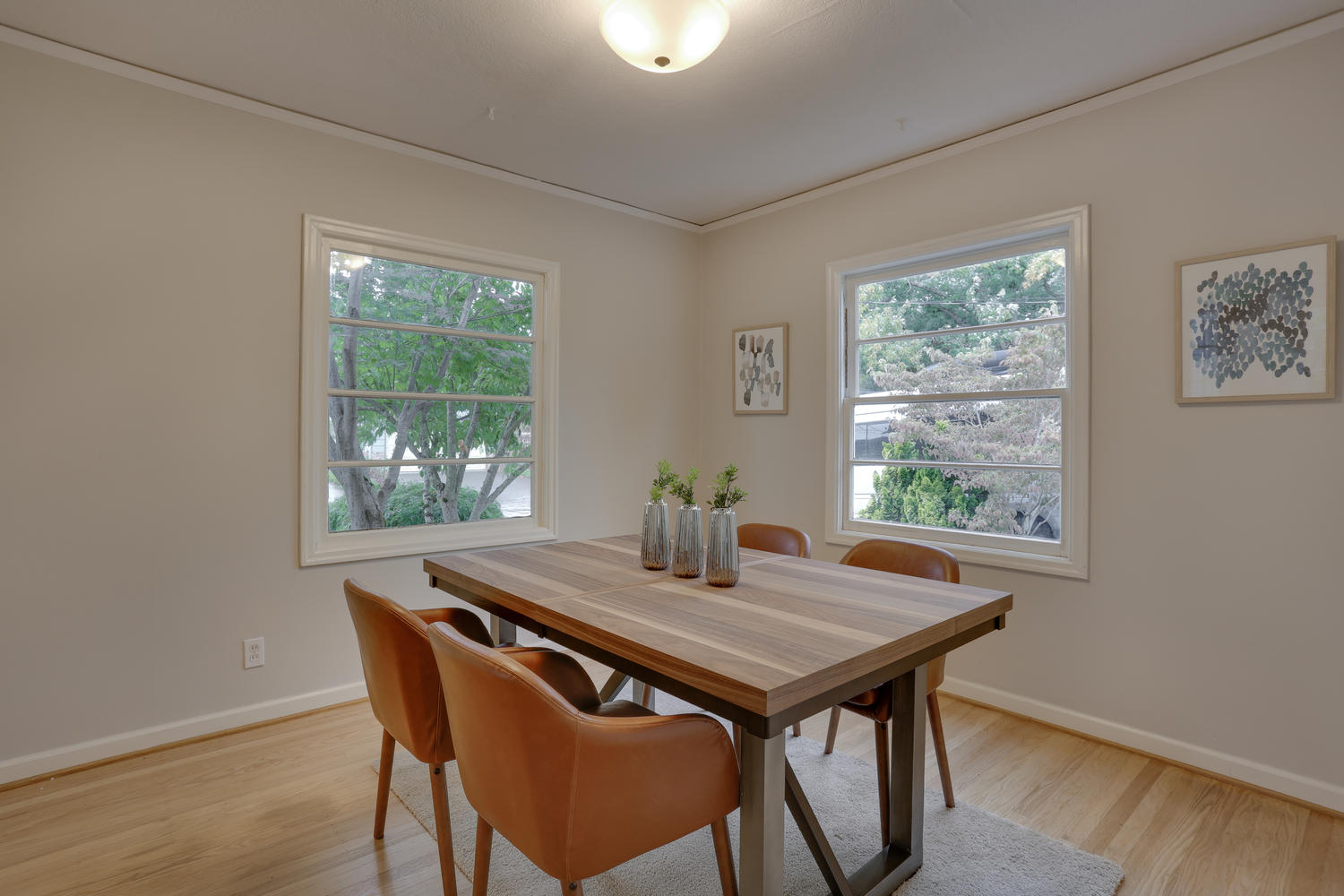
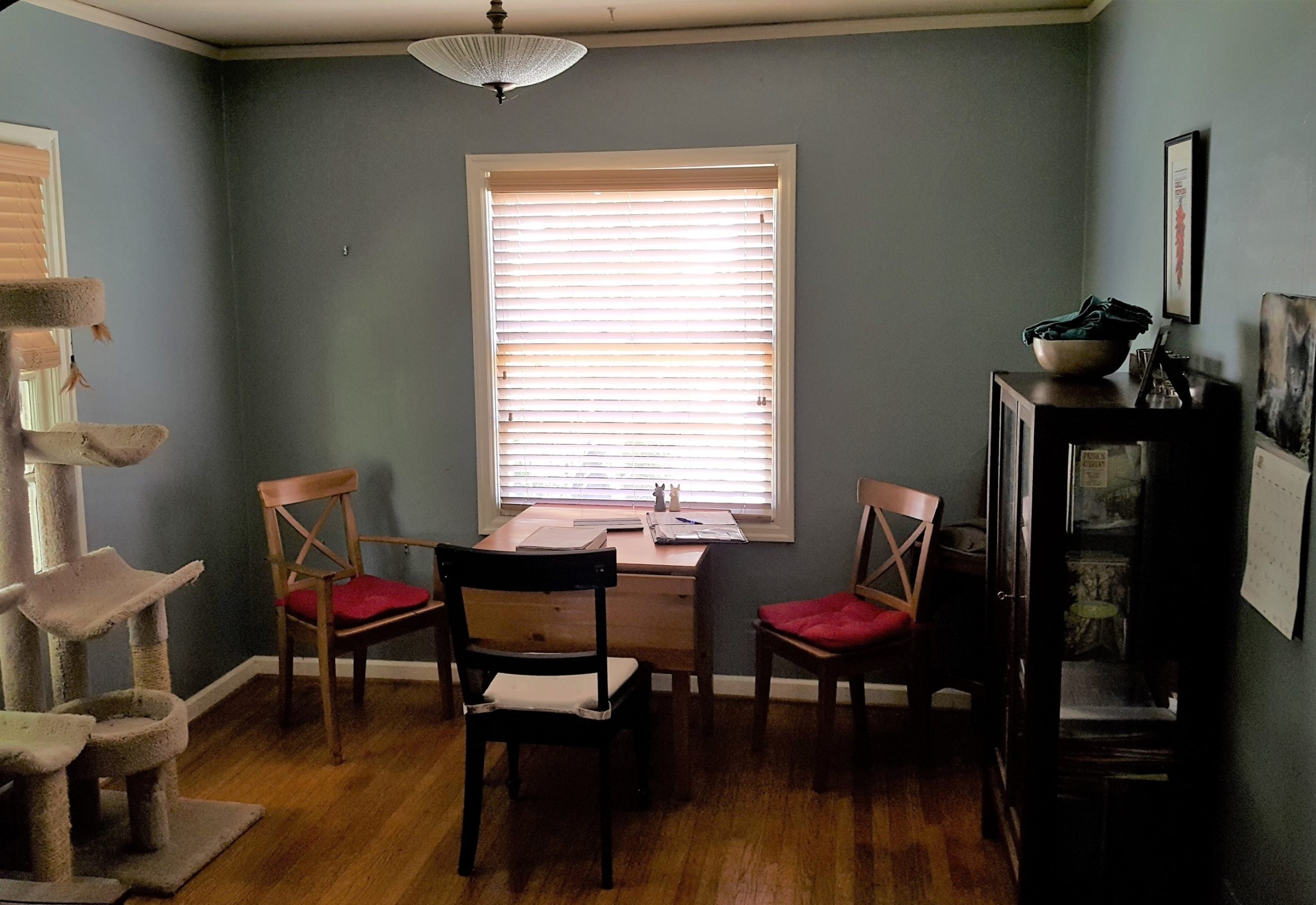
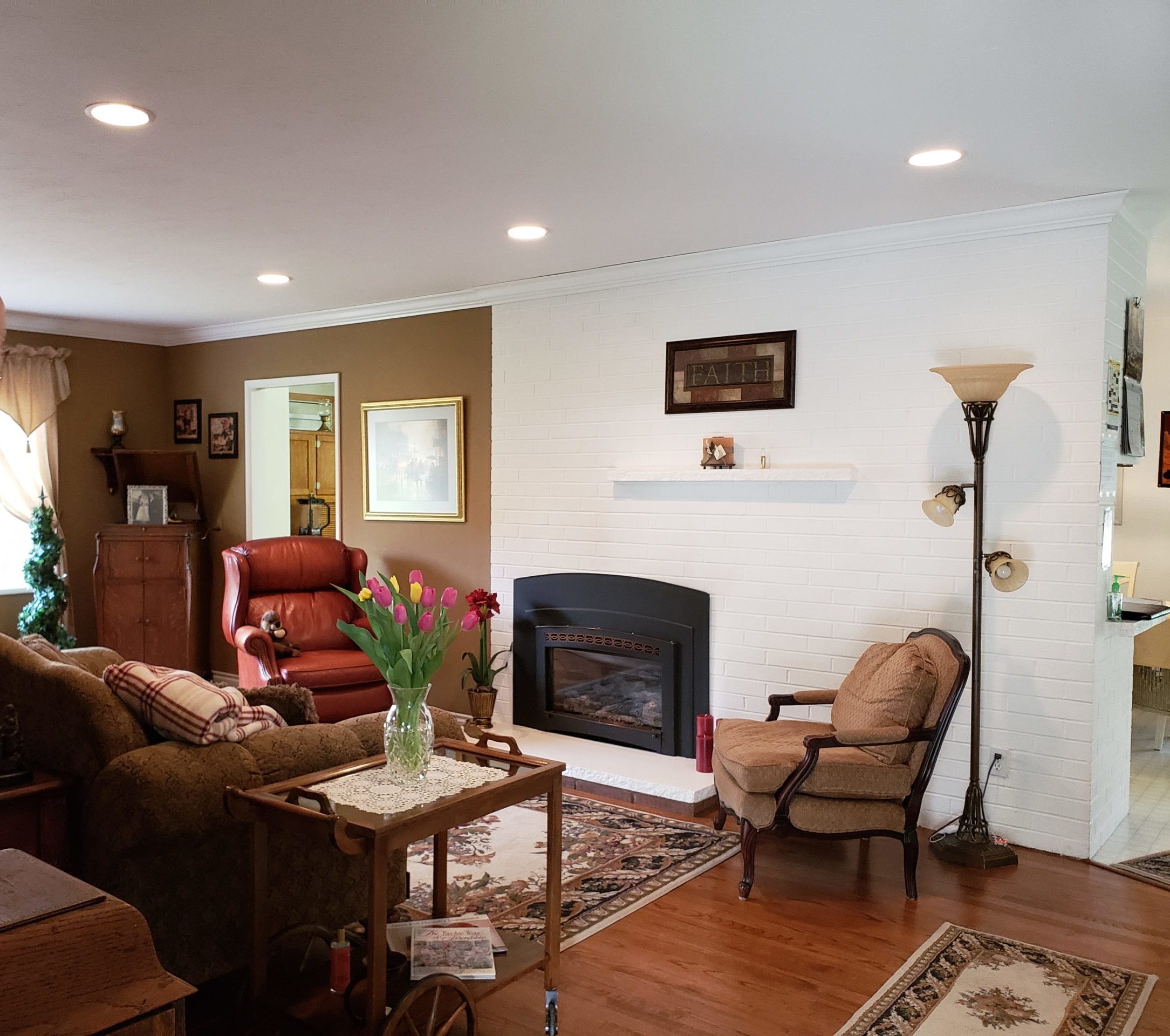
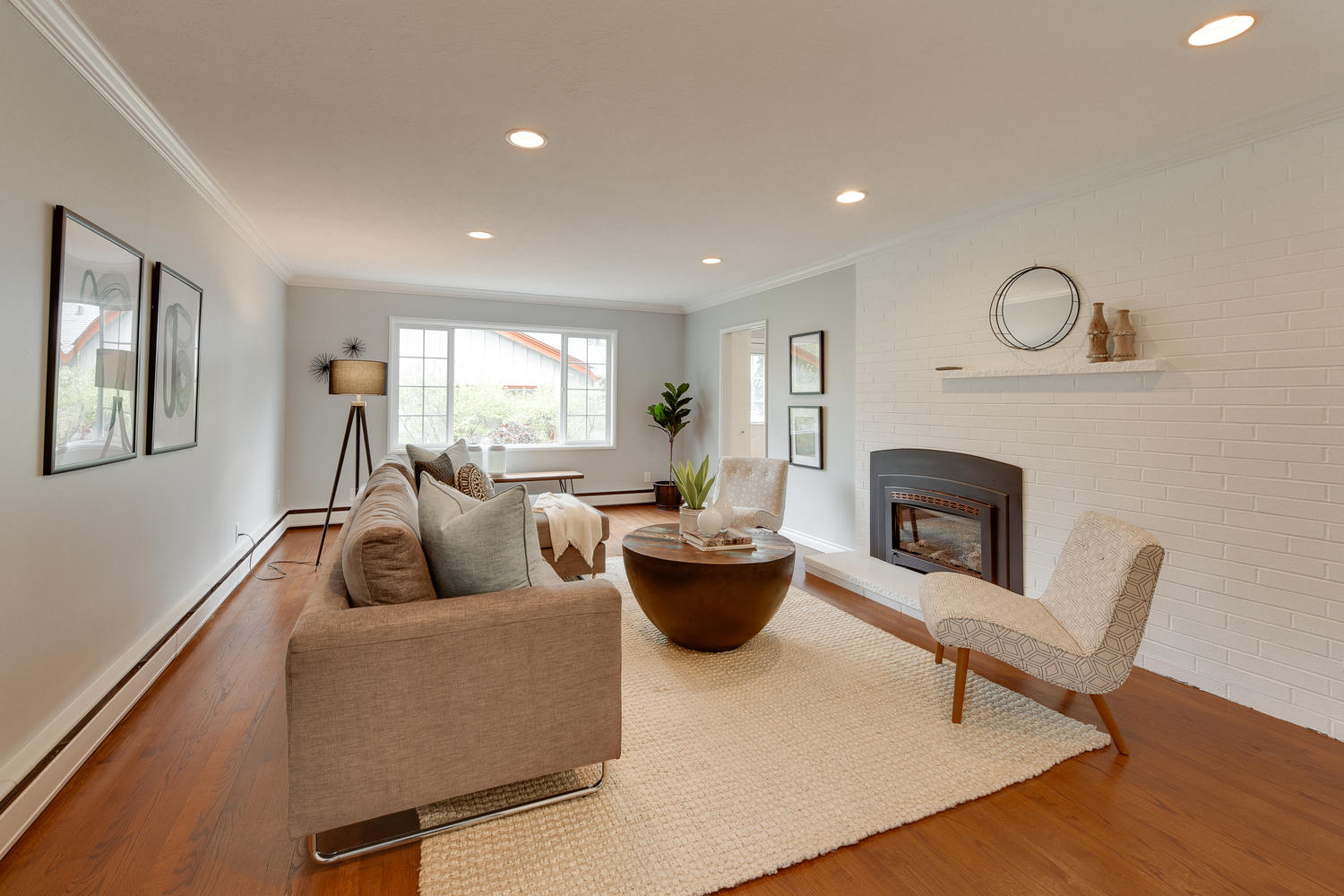
The moment that you commit to marketing your home for sale, you must also commit to transforming and decluttering your home, making it a place where potential buyers can easily picture themselves living. The goal of staging is to make the home speak to everyone compellingly and positively.

Homes staged for the market are likely to sell more quickly and at a higher price than those listed as is. That’s why we provide a staging consultation with a qualified staging company to our clients as part of our marketing plan for your home. Before your list date, a staging consultant will do a walkthrough of your home and make recommendations regarding furniture placement, paint colors, and other aesthetics that may influence the impressions buyers will have upon entering your home.
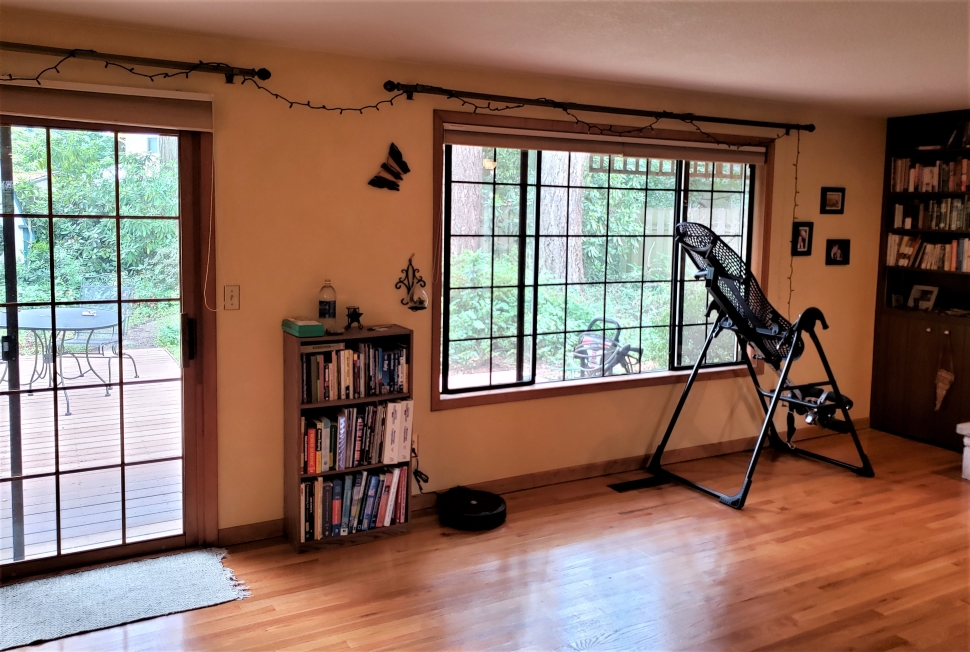
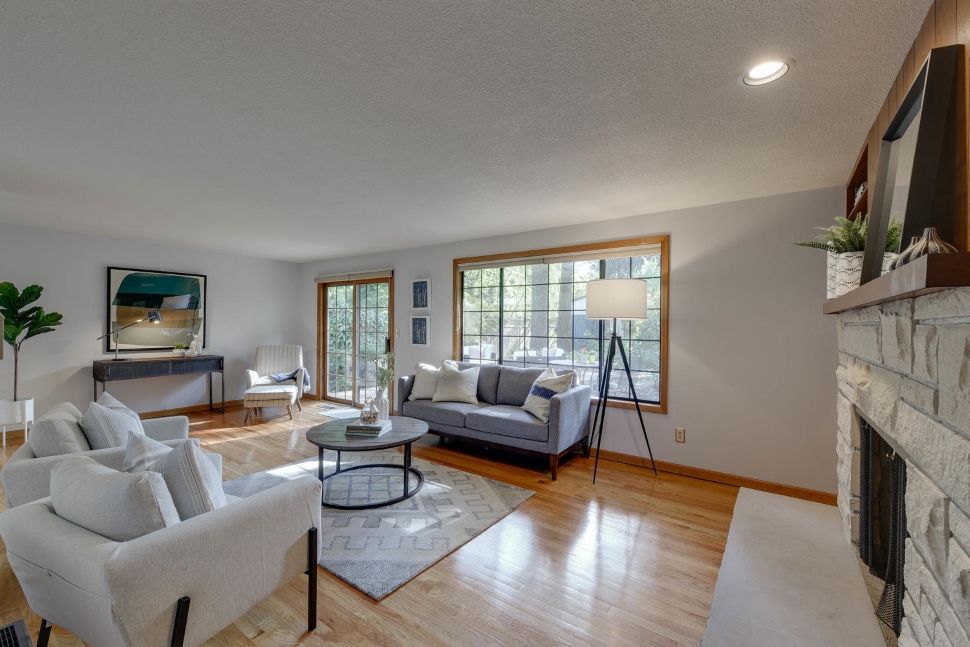
BEFORE AFTER BEFORE AFTER BEFORE AFTER Portland, Oregon Living Room Prior to Staging from Dennison Capen Group Portland, Oregon Living Room After Dennison Capen Group Staging Portland, Oregon dining room after staging from Dennison Capen Group. Portland, Oregon dining room before staging by Dennison Capen Group. Portland, Oregon Living Room Before Dennson Capen Group Staging Portland, Oregon Living Room After Staging From Dennison Capen Group

Indoor Preparation

REMOVING CLUTTER

Removing clutter is step number one in preparing your home to sell. Potential buyers want to be able to visualize their own possessions in your home.

ARRANGING FURNITURE

Group your furniture with plenty of space for walking. Eliminate unnecessary furniture to make your home feel bigger.

LIGHTING IT UP

Increase the wattage in your lamps and fixtures for warmth. Don’t depend on one or two fixtures per room, make sure you have three types of lighting – ambient, task, and accent when possible. Try to keep light bulb temperatures consistent.

CLEANING

Have the home professionally cleaned prior to listing photos, including windows. This should include both the inside and outside of your home.

PAINTING

Paint rooms fresh and neutral colors. Bold wall colors have a way of reducing room sizes, so make sure there are neutrals in small spaces in particular. Do away with unique colors that might have more limited appeal on a general scale, or which might make it hard for buyers to picture their furniture in your home.

MAKING VISUAL REPAIRS

Make all visual repairs suggested by your realtor. This may include, but is not limited to: handles, doors, holes in walls, painting, refinishing wood floors, cleaning or replacing worn carpeting, etc.

Outdoor Preparation

Curb appeal forms a buyer’s first impression of your home. Typically, the best time to start preparing the exterior of your house is one month before you put your home on the market. Below are tips to improve your home’s landscaping and curb appeal.

LANDSCAPING
  • Clean and spruce up any of your outdoor containers.
  • Touch up and add new mulch.
  • Plant color wherever possible.
  • Shape up overgrown and unsightly trees and shrubs. Prune away 18” from the house and roof.
  • Tend to perennial beds.
  • Clean out gutters.
  • Power wash sidewalks, steps, and driveways.
  • Consider staging outdoor areas to give people a vision of how functional specific outdoor spaces can be.
CURB APPEAL
  • Make sure your roof is clear of moss, and request a roof certification if it’s older. If your roof is in poor shape, it may be necessary to put a new roof on your home, as this can present hardships during a transaction.
  • Repaint trim, siding, and porches where necessary.
  • Open curtains and remove window coverings to allow more light and to highlight windows when appropriate. Houses sell better when bright and light.
  • Outdoor lighting should be working and easy on the eyes. Many potential buyers will drive by at night to get a sense of the neighborhood vibe.


MOVING APP REFERRAL DIRECTORY HOME VALUATIONS Helpful Tools Updater helps you manage all the steps of the moving process. Contact your agent for an invite to use the free app! Need a referral for an upcoming project? Here's a directory of the pros we recommend. Sign up for Homebot for a monthly wealth snapshot of your home. Referral Directory Icon Moving Icon Home Valuation Icon

REFERRAL DIRECTORY Helpful Tools Need a referral for an upcoming project? Here's a directory of the pros we recommend. MOVING APP Helpful Tools Updater helps you manage all the steps of the moving process. Contact your agent for an invite to use the free app! HOME VALUATIONS Helpful Tools Sign up for Homebot for a monthly wealth snapshot of your home. Referral Directory Icon Moving Icon Home Valuation Icon